
Types of Books
- Picture Books with Humor & Interaction
- The Day the Crayons Quit
- Don’t Let the Pigeon Drive the Bus!
- Use illustrations and playful dialogue to keep kids engaged.
- Rhyming & Repetitive Storybooks
- Giraffes Can’t Dance
- Room on the Broom
- Rhymes and repetition help with phonemic awareness and early reading skills.
- Social-Emotional Learning Books
- We’re All Wonders
- Focus on kindness, empathy, and self-esteem.
Benefits of Reading These Books to Kids (4–6 Years)
1. Language Development
- Rich vocabulary in stories introduces new words naturally.
- Repetition and rhymes help with early literacy skills.
2. Listening & Concentration
- Storytime teaches kids to focus and follow a narrative from beginning to end.
3. Social & Emotional Growth
- Characters model problem-solving, empathy, and resilience.
- Stories spark discussions about feelings and relationships.
4. Creativity & Imagination
- Colorful illustrations and fantastical plots inspire kids to create their own stories.
5. Cognitive Skills
- Sequencing events, predicting outcomes, and understanding cause-effect relationships.
6. Parent-Child Bonding
- Reading together fosters emotional connection and shared memories.
If you want, I can make a table format with
| Book Title | Type of Book | Main Benefit |
so you can post it directly to your Free Printable Worksheets for Kids page or your blog as a reading guide
1. Room on the Broom — Julia Donaldson
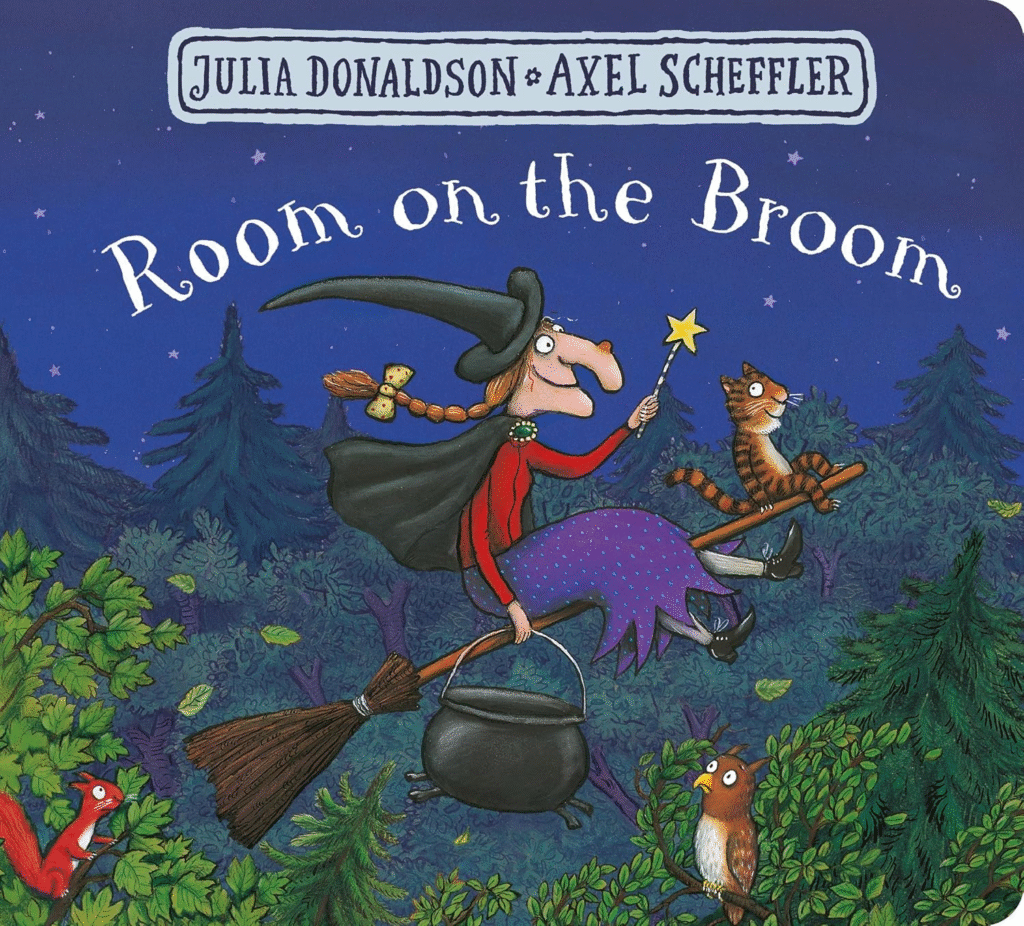
- Why this book: Full rhyming text + repetitive patterns keep kids engaged.
- Interactive element: Predictable rhymes encourage kids to shout the next line.
- Benefit: Teaches teamwork, kindness, and problem-solving.
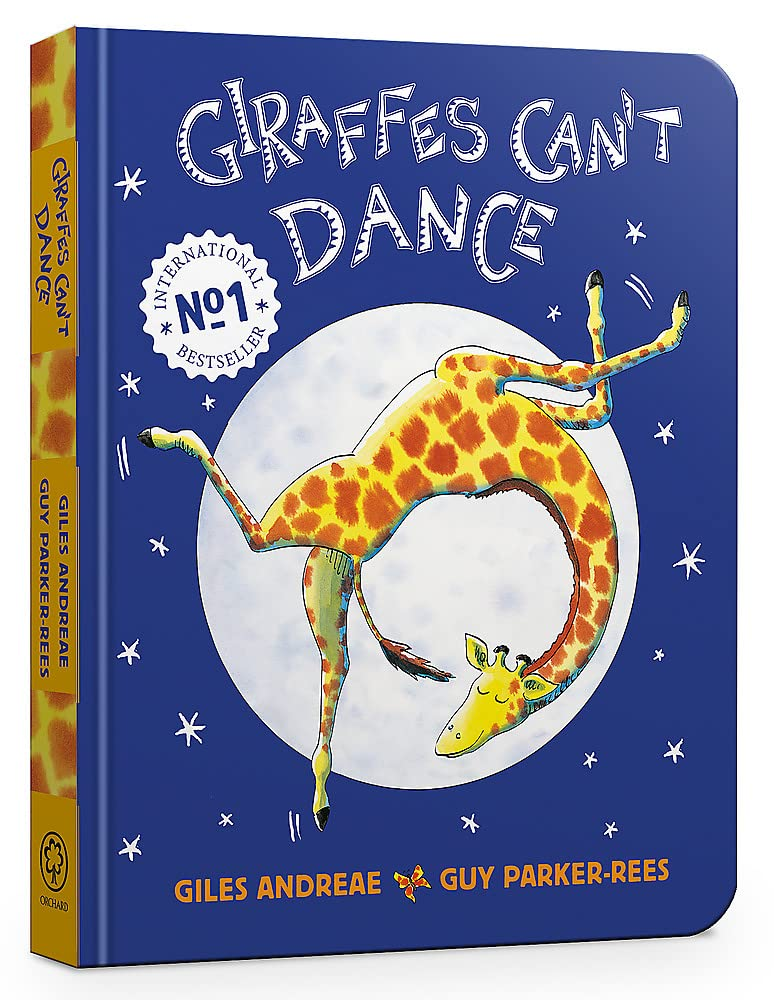
2. Giraffes Can’t Dance — Giles Andreae
Check Details
- Why this book: Rhyming story with rhythm that invites reading aloud.
- Interactive element: Kids can “dance” with Gerald and mimic animal moves.
- Benefit: Builds self-confidence and celebrates uniqueness.
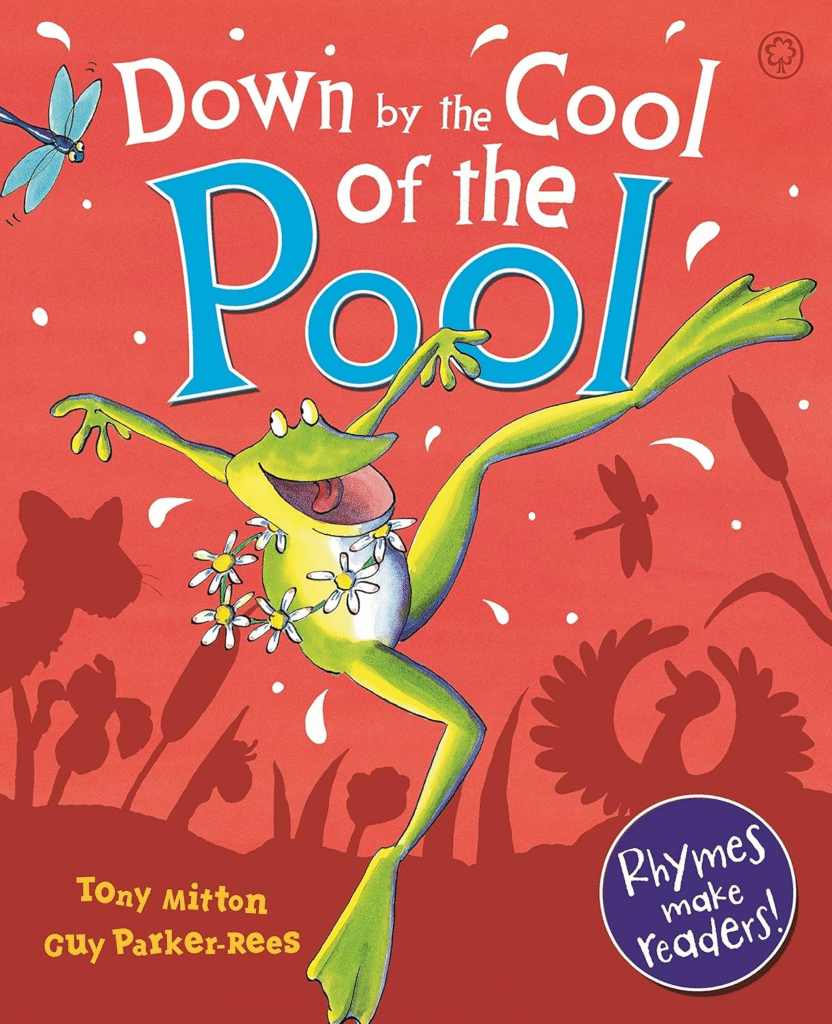
3. Down by the Cool of the Pool — Tony Mitton
Check Details
- Why this book: Musical rhyming text, perfect for group participation.
- Interactive element: Kids can act out the animals’ dance moves.
- Benefit: Improves listening skills, rhythm awareness, and gross motor skills.
4. Commotion in the Ocean — Giles Andreae
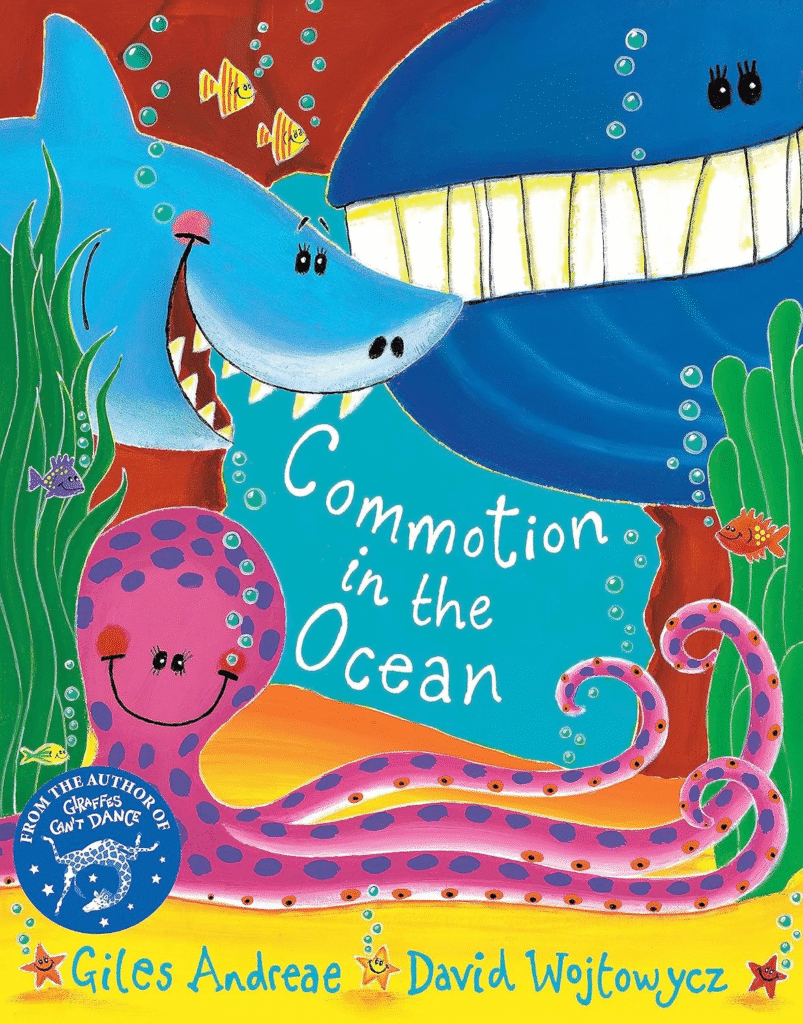
Check Details
- Why this book Short, playful rhymes about different sea creatures.
- Interactive element: Kids guess animals from clues and join in sound effects.
- Benefit: Expands vocabulary and knowledge about marine life.
5. Each Peach Pear Plum — Janet and Allan Ahlberg
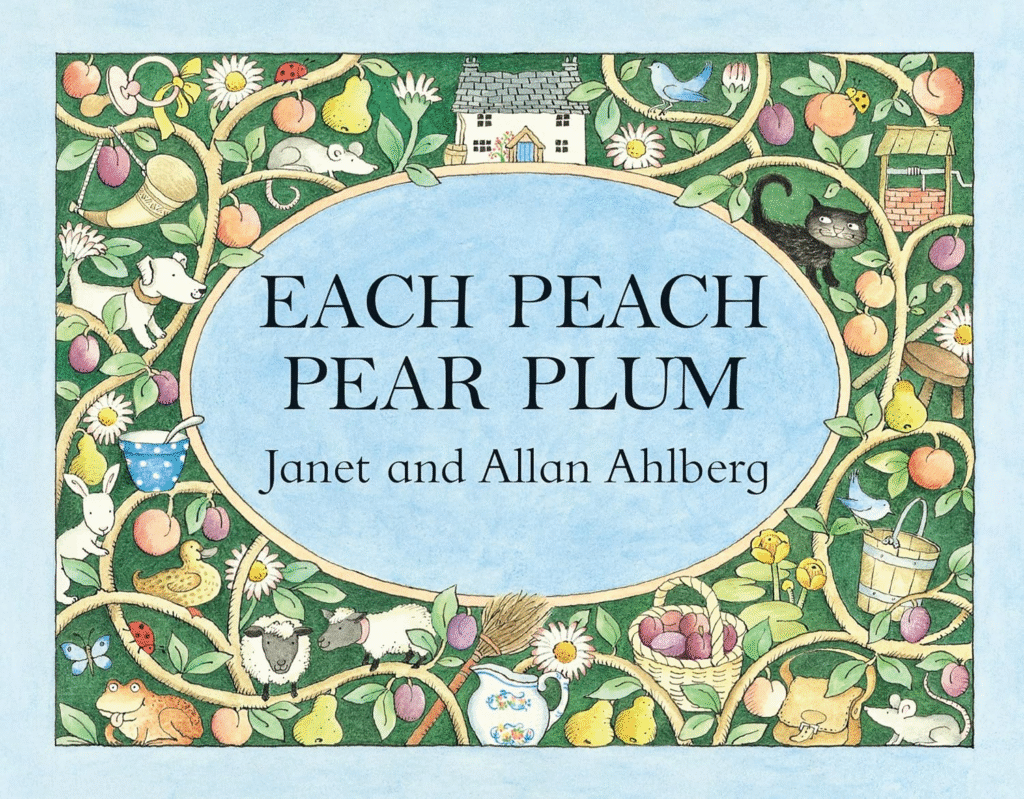
- Why this book: Gentle rhymes + hidden object “I spy” style pictures.
- Interactive element: Kids search for characters in each scene.
- Benefit: Boosts observation skills and word-picture association.
Reading rhyming, interactive storybooks with children aged 4–6 is one of the most joyful and beneficial ways to nurture their love for reading. The sing-song rhythm of rhymes captures their attention, while the predictable patterns encourage them to join in and “read along,” building early literacy and phonemic awareness without it feeling like a lesson. Interactive elements—whether acting out animal moves, guessing the next word, or spotting hidden characters—turn storytime into an active, engaging experience. These moments not only strengthen language skills and spark imagination but also create warm, shared memories between parent and child, planting the seeds for a lifelong passion for books.